Travel to Egypt does something strange to your sense of time.
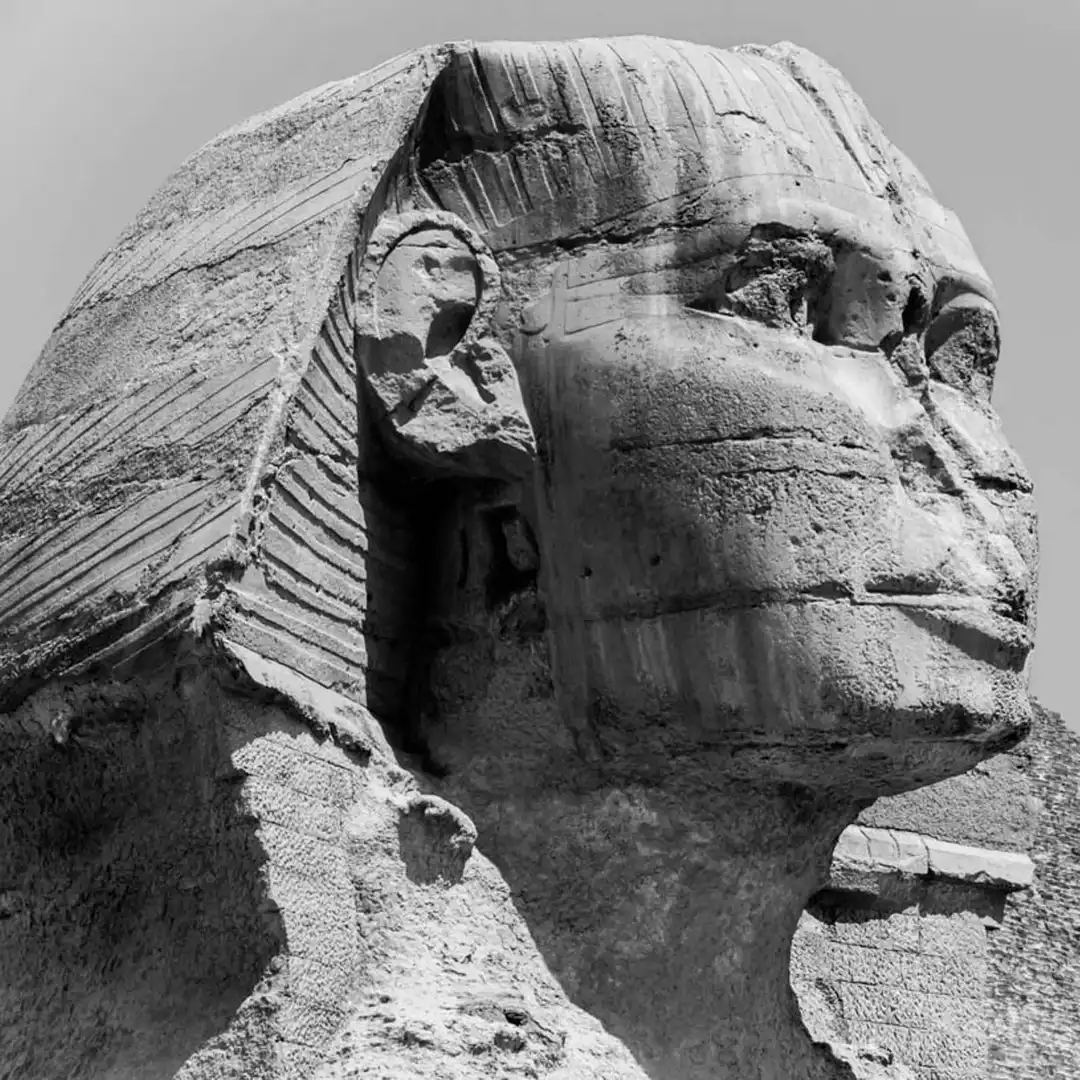
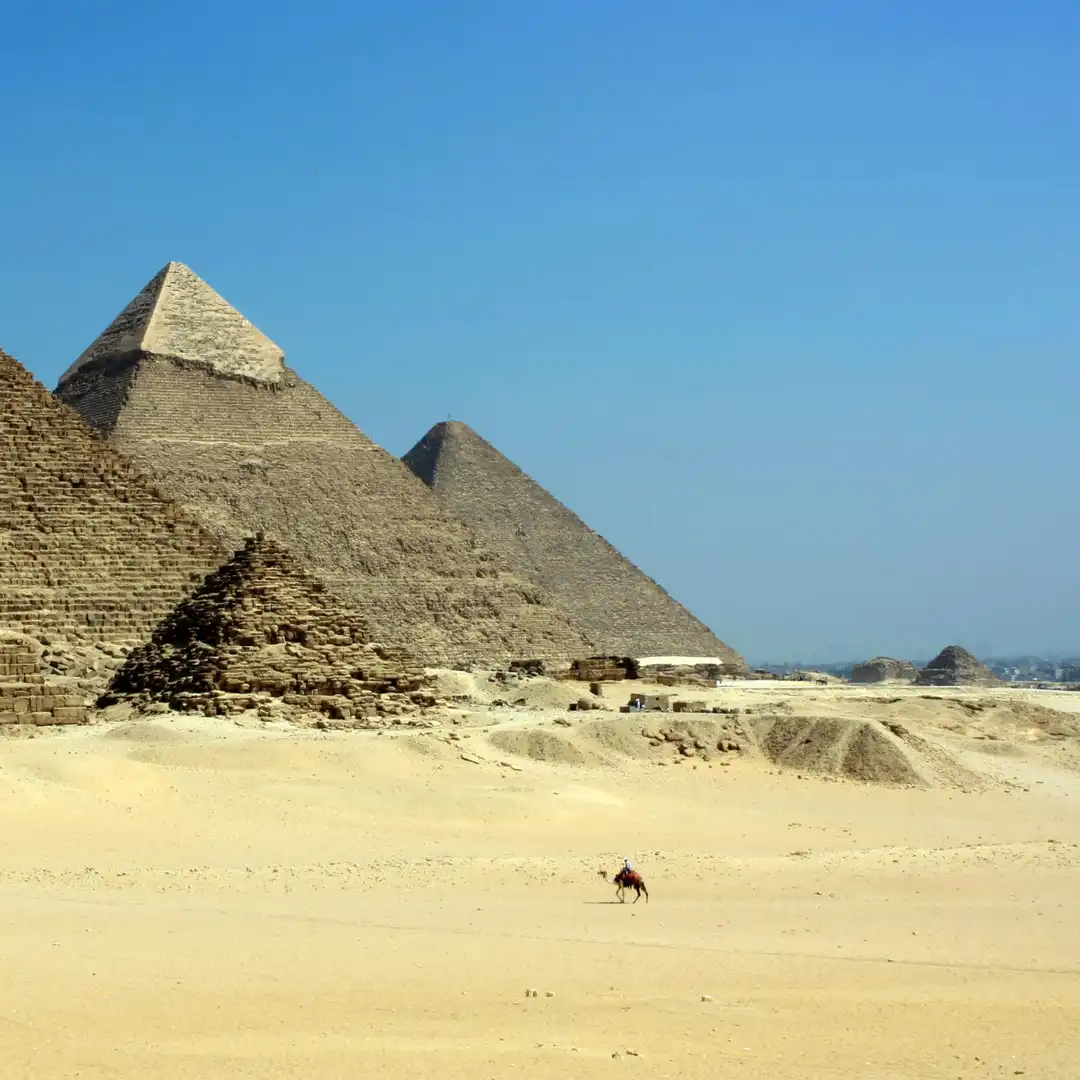
One moment you are standing in modern Cairo surrounded by traffic, car horns, satellite dishes and the endless movement of a city that seems determined to remain awake forever. Then suddenly — impossibly — the pyramids appear through the haze like somebody accidentally left an ancient civilisation parked beside a motorway.
And Egypt keeps doing that to you.
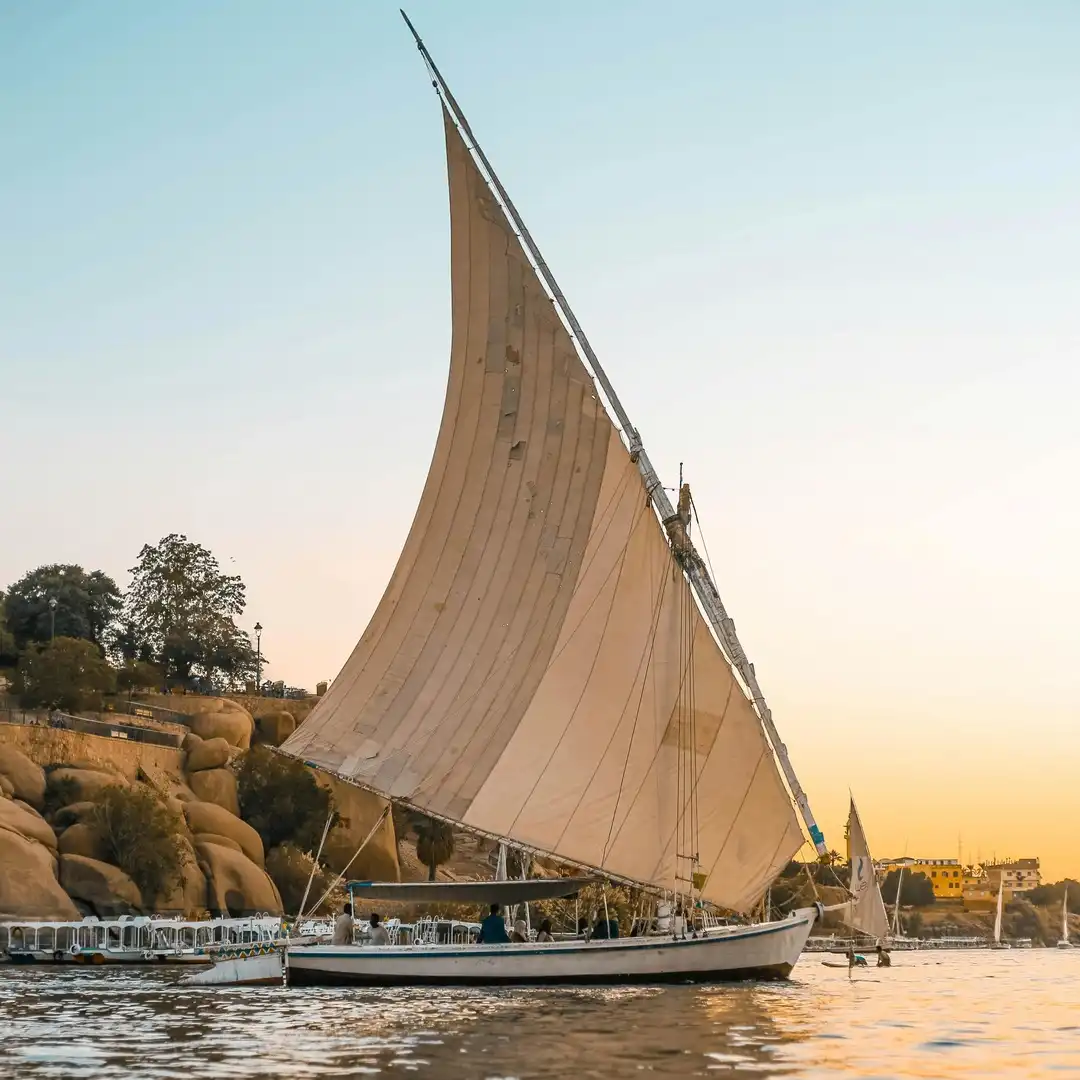
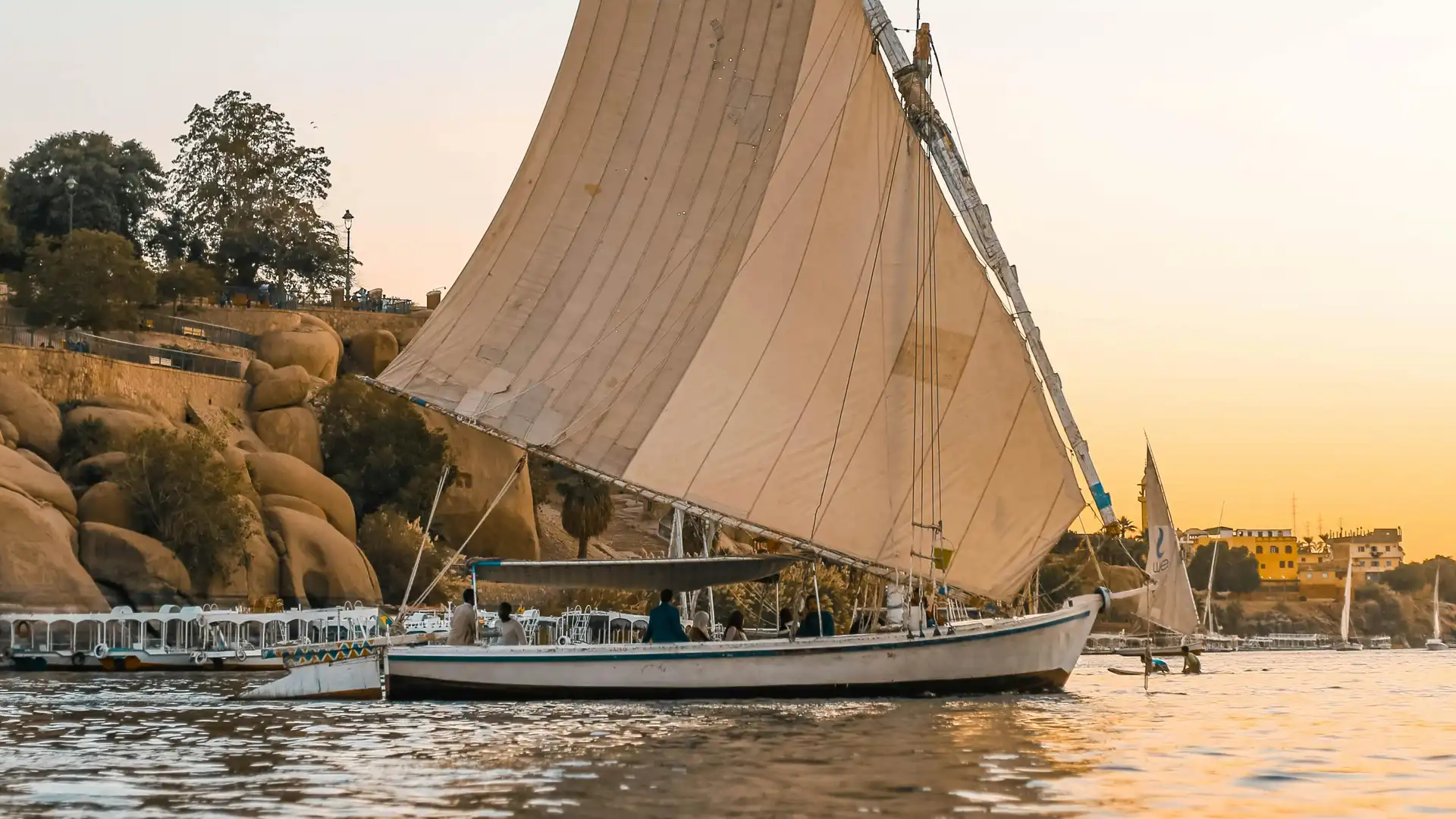
A temple appears at the end of a dusty road and turns out to be older than most countries. A quiet felucca drifts across the Nile while evening prayer echoes over the water. A guide casually mentions that a monument in front of you is three and a half thousand years old as though discussing the weather.
Travel to Egypt is not subtle.
It is sunlight on sandstone. The scent of spice and diesel fumes drifting through Cairo. Green Nile riverbanks surrounded by desert. Calls to prayer before dawn. Palm trees moving in hot wind. Ancient names you learned at school suddenly becoming real places with shadows, heat and texture.
And unlike destinations that feel heavily manufactured for tourism, Egypt still feels gloriously alive around its history. The archaeological sites are extraordinary — but so is the ordinary life happening beside them.
You do not really “complete” Egypt in one journey.
Some travellers fall in love with the ancient world and the Nile cruise atmosphere between Luxor and Aswan. Others prefer the Red Sea coast around Hurghada or Sharm el Sheikh with diving, snorkelling and slower beach days after the intensity of Cairo. Some discover Alexandria and suddenly realise Egypt also has Mediterranean moods, Greek echoes and sea air.
And somewhere along the way, travel to Egypt stops feeling like a history lesson and starts feeling unexpectedly human.
Because beyond the pyramids and temples, people tend to remember smaller moments years later: mint tea on a rooftop, sunrise over the Nile, the silence inside Abu Simbel before the crowds arrive, or the slightly surreal moment when somebody calmly says “there’s another temple just five minutes away” and your brain quietly begins filing for archaeological leave.
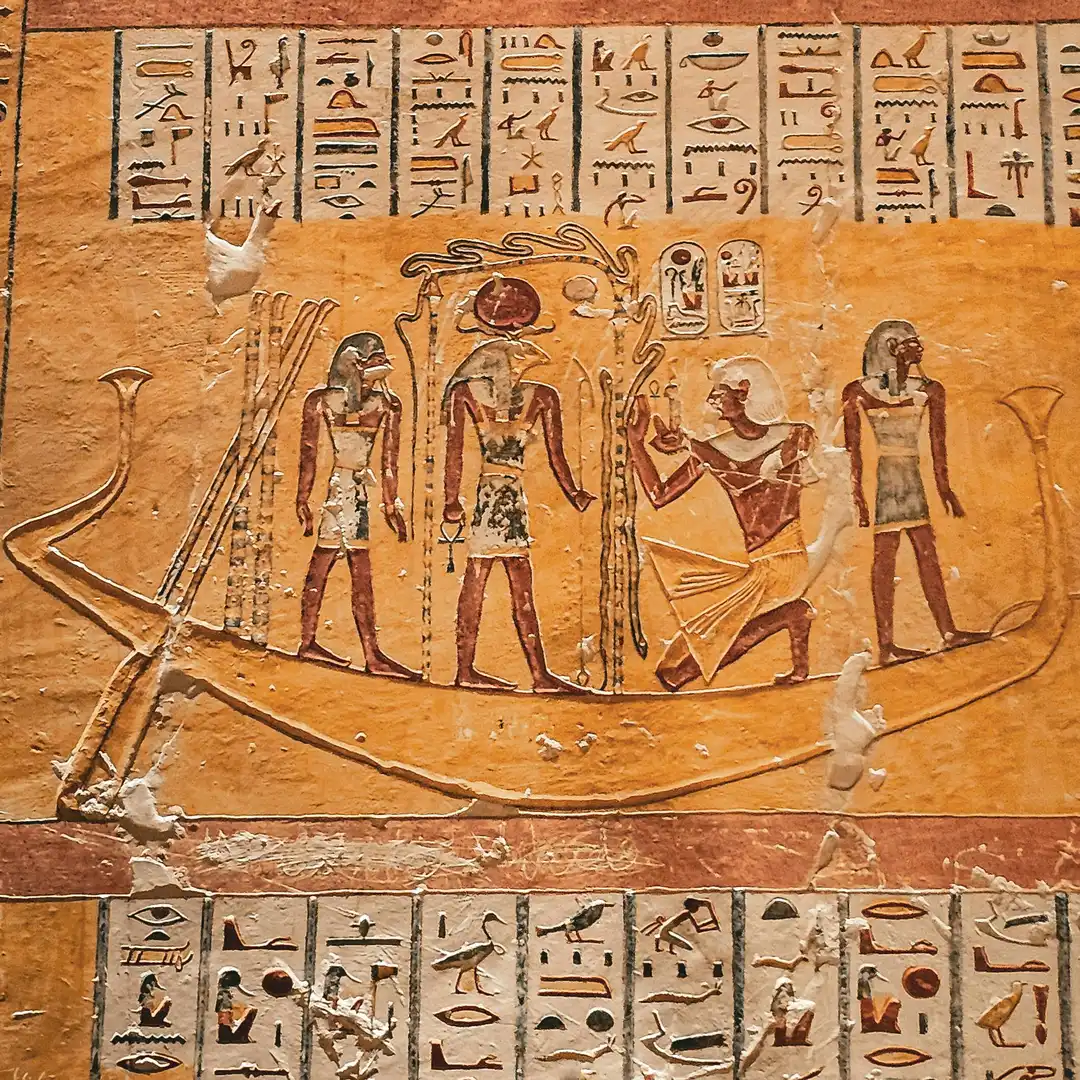
Warning: Travel to Egypt may cause an irrational desire to compare every future civilisation with the Egyptians, a sudden interest in hieroglyphics, and the dangerous phrase “we may as well visit one more tomb while we’re here”.
For more information, hit the “WhatsApp” button on the offer card that attracts your attention. Doing so means you give AlanSpeak Travel permission to contact you via WhatsApp to provide information about that offer, in line with current data protection laws.
Travel to Egypt can feel extraordinary or exhausting depending on how well it is planned.
That is the difference between simply booking Egypt and actually understanding how the country works.
Cruise category matters. Hotel location matters. Internal flights matter. Even the pace matters. Trying to cram Cairo, Luxor, Aswan, Abu Simbel and the Red Sea into one frantic week because somebody online did it? That is how people return home needing another holiday.
AlanSpeak Travel helps you avoid that nonsense.
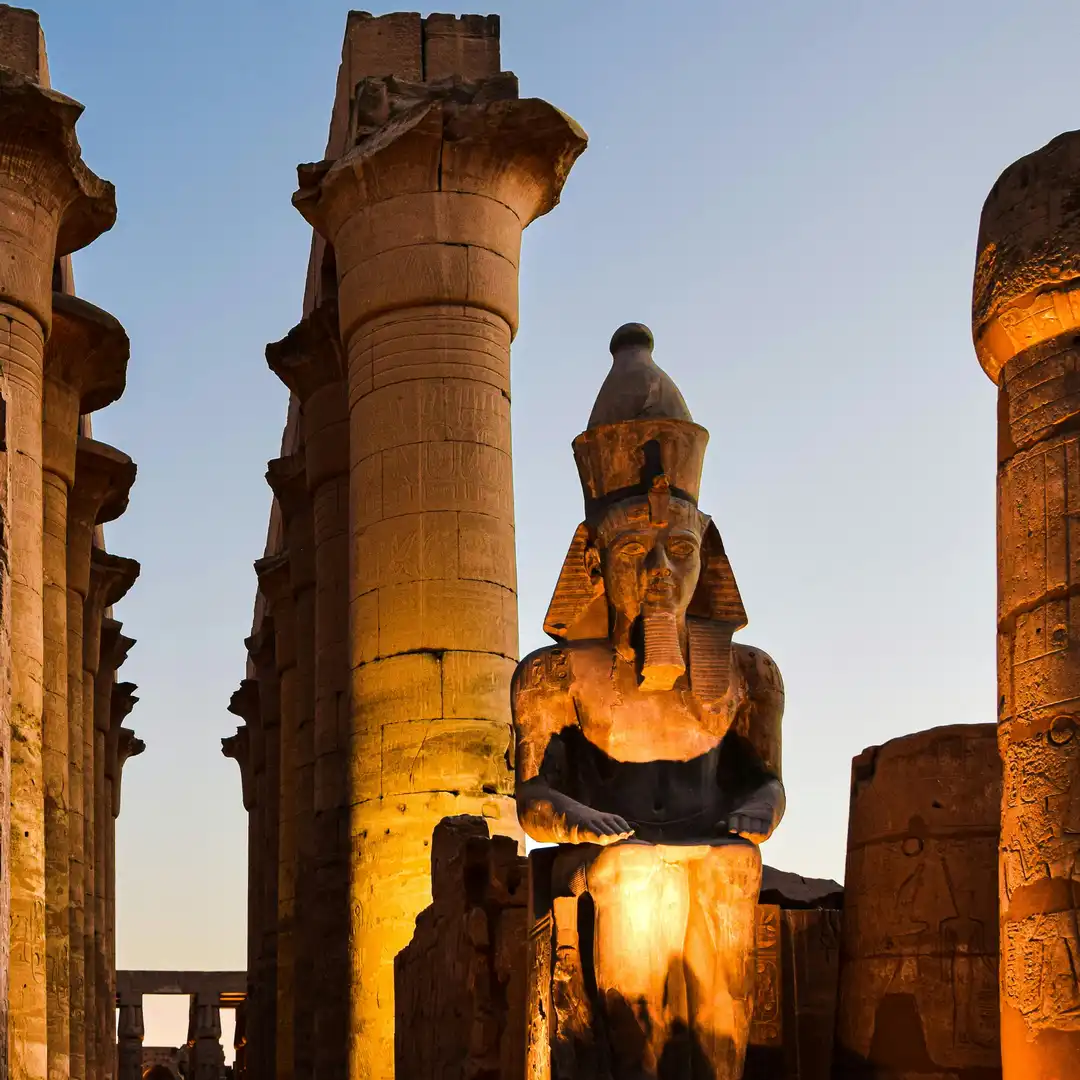
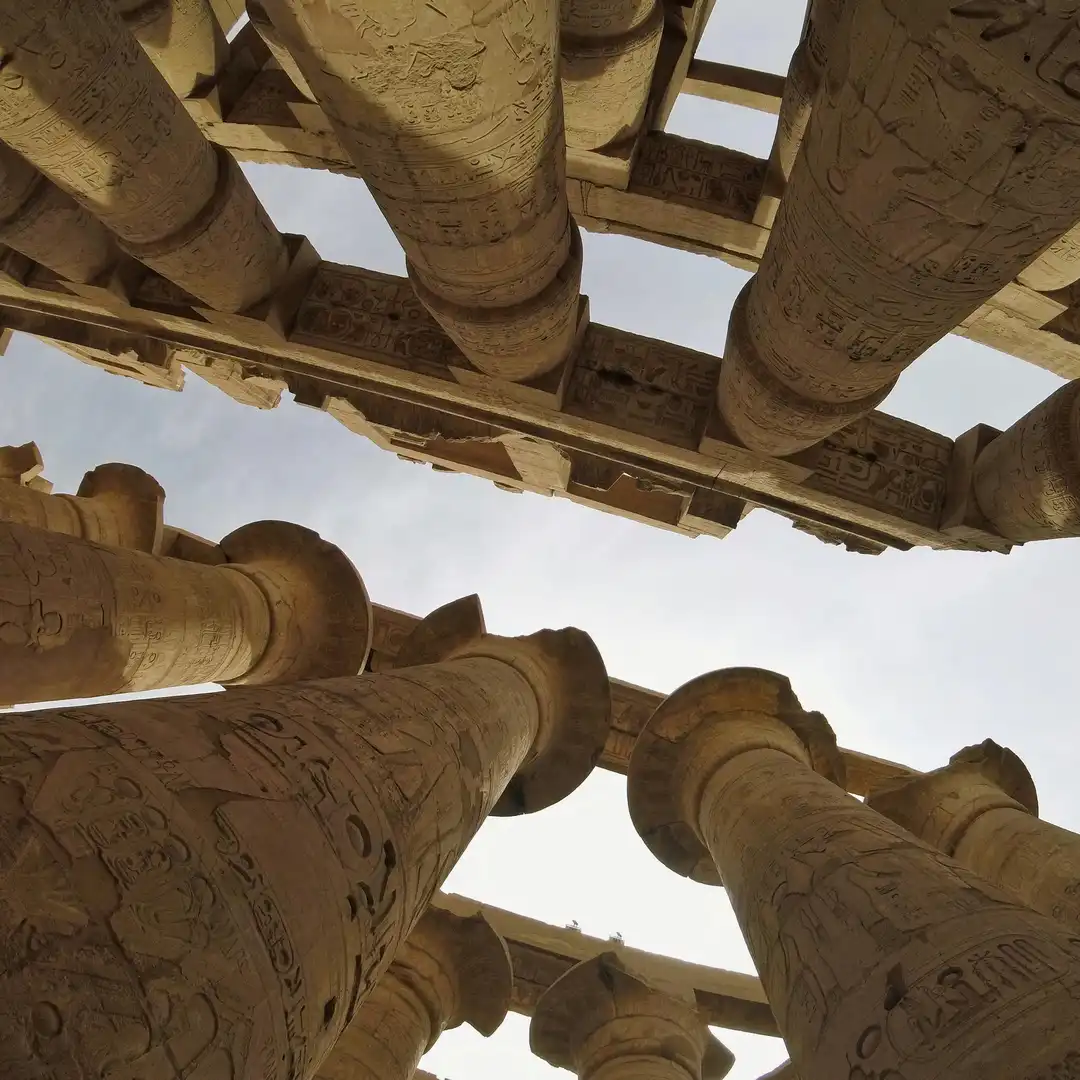
Most classic Travel to Egypt journeys combine Cairo with a Nile cruise between Luxor and Aswan. That remains the backbone of Egyptian tourism for good reason. A typical cruise includes Karnak Temple, Luxor Temple, the Valley of the Kings, the Temple of Hatshepsut, Edfu, Kom Ombo and Philae Temple, often with a felucca ride on the Nile.
Abu Simbel is one of the highlights of Egypt, but getting there means either a very early desert road convoy or a domestic flight. Some travellers happily do the road journey once. Others prefer to preserve their sanity and fly.
Egypt also changes completely depending on where you go. Hurghada and Sharm el Sheikh are Red Sea resort destinations rather than “historical Egypt”. Hurghada works well with Nile cruise itineraries and tends to feel broader and more relaxed. Sharm el Sheikh is more polished and particularly strong for diving and snorkelling.
Alexandria offers another side of Egypt entirely: Mediterranean light, faded grandeur and echoes of the Greek and Roman world far removed from Cairo’s intensity.
Pricing can also confuse people. Two Egypt tours may look almost identical online while delivering completely different experiences. Often the smartest approach is to start with the highest category available and then decide what genuinely matters to you: better cabins, better food, better locations or better service. Some upgrades transform the experience. Others barely matter. But, psychologically it is easier to downgrade than it is to feel you are continuously adding on extras that should be included.
It is also normal in Egypt for certain attractions and optional visits to require tickets purchased locally. Interior pyramid access, Tutankhamun’s tomb, Abu Simbel excursions and some museum areas are commonly handled separately depending on the programme.
And despite all the planning, the moments people remember most are often the unexpected ones: sunset over the Nile, the first call to prayer across Cairo, or standing inside a temple older than almost anything your brain can properly process.
Travel to Egypt should feel ancient, atmospheric and occasionally slightly unreal. Done properly, it absolutely does.
Browse the current Egypt journeys on this page and if one catches your attention, send me a WhatsApp message. AlanSpeak Travel will help you work out what fits you properly — not simply what looks dramatic in a fifteen-second social media reel.
Travel to Egypt starts here.
AlanSpeak Travel works with trusted partners across Egypt — not necessarily the companies shouting loudest online, but the people and businesses that consistently deliver journeys people remember for the right reasons.
The Grand Egyptian Museum beside the pyramids is rapidly becoming one of the world’s great cultural museums.
If you are searching for something equally atmospheric and layered, but with medinas, deserts and Atlantic light instead of temples and tombs, explore Travel to Morocco.