Adventure in Japan – A Bespoke Mount Fuji Pilgrimage
Discover Japan on a tailor-made journey combining the energy of Tokyo, the spiritual traditions of Mount Fuji, the fascinating history of Nagasaki and the cultural treasures of Kyoto and Osaka.
The highlight of this Japanese Adventure is a two-day ascent of Mount Fuji along the historic Yoshida Trail. Following an ancient pilgrimage tradition, collect commemorative burnt stamps on a wooden walking staff, spend a night in a mountain hut and aim to reach the summit for sunrise, with the possibility of visiting Kengamine, Japan’s highest point at 3,776 metres.
Beyond the mountain, explore Tokyo’s contrasting neighbourhoods, discover Nagasaki’s extraordinary heritage, experience Kyoto’s famous shrines and traditional festivals, and visit peaceful Buddhist temples in the surrounding countryside before concluding your journey in vibrant Osaka.
Designed around your interests and preferences, this private journey offers an introduction to Japan that goes well beyond the conventional sightseeing tour.
These are the highlights of the trip:
- X

Tokyo
Asakusa & Senso-ji Temple
Shibuya & Shinjuku
Kawaguchiko
Kitaguchi Hongu Fuji Sengen Shrine
Mount Fuji – Yoshida Trail
Mount Fuji Summit & Kengamine
Nagasaki
Peace Park & Glover Garden
Osaka
Kyoto – Fushimi Inari Taisha
Kyoto – Gion Matsuri
Ohara – Sanzen-in Temple
Osaka Castle & Dotonbori
Itinerary
Day 1: Málaga – Istanbul – Tokyo
Proposed flights with Turkish Airlines for your bespoke Mount Fuji pilgrimage tour.
Your journey to Japan begins at Málaga–Costa del Sol Airport, departing at 17:55 on Wednesday, 7 July, aboard Turkish Airlines flight TK1306 to Istanbul.
The flight is operated by an Airbus A321-200neo, with a scheduled flight time of 4 hours and 20 minutes, arriving at Istanbul Airport at 23:15.
There is a connection time of 2 hours and 50 minutes before you board Turkish Airlines flight TK198, departing Istanbul at 02:05 on Thursday, 8 July, bound for Tokyo.
This long-haul flight is operated by a Boeing 777-300ER, with a scheduled flight time of 11 hours and 15 minutes.
Arrival is scheduled for 19:20 on Thursday, 8 July, at Tokyo Haneda International Airport, Terminal 3.
The total journey time from Málaga to Tokyo is 18 hours and 25 minutes, including the connection in Istanbul.
Meals and refreshments will be provided on board in accordance with Turkish Airlines' Economy Class service.
X
Meals
Meals and refreshments on board, according to Turkish Airlines' Economy Class service.
Transport
Proposed flights with Turkish Airlines
Flight TK1306 – Malaga to Istanbul
Departure: Malaga, 7 July, 17:55
Arrival: Istanbul, 7 July, 23:15
Aircraft: Airbus A321-200neo
Flight duration: 4h 20m
Connection in Istanbul: 2h 50m.
Flight TK198 – Istanbul to Tokyo
Departure: Istanbul, 8 July, 02:05
Arrival: Tokyo Haneda, 8 July, 19:20 – Terminal 3
Aircraft: Boeing 777-300ER
Flight duration: 11h 15m
Total journey time: 18h 25m, including the connection.
Overnight in flight.
Accommodation
Overnight in flight.
Visits
Travel day. No visits scheduled.
Day 2: Arrival in Tokyo
Your bespoke Mount Fuji Pilgrimage journey continues on the same overnight flight from Istanbul to Tokyo, ETA in Japan at 19:20 in the evening.
Upon arrival at Tokyo Haneda International Airport, you will be welcomed by a local representative, who will assist you with your arrival arrangements and accompany you to your hotel in Tokyo.
After checking in, the remainder of the evening is free to relax and recover from the journey.
X
Meals
Meals and refreshments on board the Turkish Airlines flight, according to the airline's Economy Class service.
Do you want me to organise dinner or do you prefer to go out and explore?
Transport
Proposed flight – Turkish Airlines
Flight TK198 – Istanbul to Tokyo
Departure: Istanbul, Thursday 8 July, 02:05
Arrival: Tokyo Haneda, Thursday 8 July, 19:20
Arrival terminal: Terminal 3
Aircraft: Boeing 777-300ER
Flight duration: 11h 15m
Overnight in flight before arrival in Tokyo.
Airport transfer: Proposed private transfer from Tokyo Haneda Airport to the hotel, with assistance from a local representative.
Accommodation
Hotel accommodation in Tokyo following arrival and transfer.
Choose from Shinjuku – Modern, lively Tokyo, excellent restaurants and transport connections, particularly convenient for travelling onwards to Mount Fuji.
or, Asakusa – Traditional Tokyo, historic streets, temples and a more relaxed atmosphere.
Both are good options for a first visit without moving into luxury hotel prices.
Visits
No scheduled visits. Evening at leisure.
Day 3: Tokyo: Asakusa and Ueno
Your first full day in Japan is dedicated to discovering the more traditional side of Tokyo.
Begin in Asakusa, one of the capital's oldest and most atmospheric neighbourhoods. Visit Senso-ji Temple, Tokyo's oldest Buddhist temple, entering through the impressive Kaminarimon Gate and following Nakamise, a lively shopping street lined with stalls selling traditional Japanese crafts, souvenirs and local specialities.
Explore the surrounding streets before taking a stroll towards the Sumida River, with views of the impressive Tokyo Skytree.
In the afternoon, continue to Ueno, a neighbourhood combining Japanese history, culture and everyday city life. Explore Ueno Park, home to several important museums, temples and shrines. There will also be an opportunity to visit one of the museums, depending on your interests.
Finish the afternoon exploring Ameyoko Market, a bustling shopping district filled with food stalls, restaurants and shops selling everything from traditional snacks to clothing and souvenirs.
Return to your hotel in the late afternoon, with the evening free to explore Tokyo at your own pace.
X
Meals
Breakfast at the hotel, subject to the selected accommodation arrangements.
Lunch and dinner at leisure, with plenty of opportunities to discover Japanese cuisine.
Transport
Local transport by train or metro between the hotel, Asakusa and Ueno.
Transport arrangements and any guided services to be confirmed with the local operator.
Accommodation
Overnight in Tokyo.
Proposed accommodation in Shinjuku or Asakusa, in a comfortable hotel with a twin room.
Visits
- Asakusa historic neighbourhood
- Kaminarimon Gate
- Senso-ji Temple
- Nakamise shopping street
- Sumida River and views of Tokyo Skytree
- Ueno Park
- Ameyoko Market
- Optional visit to the Tokyo National Museum or another museum in Ueno Park
Day 4: Tokyo: Meiji Jingu, Harajuku, Shibuya and Shinjuku
Today, discover the fascinating contrasts of modern Tokyo, where peaceful shrines and wooded gardens sit just minutes away from some of the world's busiest shopping and entertainment districts.
Begin with a visit to Meiji Jingu Shrine, dedicated to Emperor Meiji and Empress Shoken. Surrounded by an extensive forest, this important Shinto shrine offers a remarkably peaceful escape from the surrounding city. Walk along its broad, tree-lined paths and pass beneath enormous wooden torii gates before reaching the main shrine buildings.
Continue to nearby Harajuku, famous for its colourful street fashion, independent boutiques and youth culture. Explore Takeshita Street, one of Tokyo's liveliest pedestrian shopping streets, before discovering the more elegant surroundings of Omotesando, with its distinctive architecture, cafés and shops.
In the afternoon, head to Shibuya, one of Tokyo's most recognisable districts. Experience the famous Shibuya Scramble Crossing, where pedestrians stream across the intersection from every direction, and visit the nearby statue of Hachiko, the loyal dog whose story has become a symbol of devotion in Japan.
Later, continue to Shinjuku, a district of towering skyscrapers, department stores, restaurants and entertainment. Depending on the time available, there may be an opportunity to enjoy panoramic views of Tokyo from the observation deck of the Tokyo Metropolitan Government Building.
As evening falls, Shinjuku comes alive with neon lights and bustling streets. Explore the atmospheric lanes of Omoide Yokocho, known for its tiny restaurants and traditional eateries, or discover the colourful streets around Kabukicho.
Return to your hotel at leisure.
X
Meals
Breakfast at the hotel, subject to the selected accommodation arrangements.
Lunch and dinner at leisure, with opportunities to sample Japanese specialities in Harajuku, Shibuya or Shinjuku.
Transport
Local transport by train or metro, with walking between nearby attractions.
Proposed route: Hotel – Meiji Jingu – Harajuku – Shibuya – Shinjuku – Hotel.
Transport arrangements and any guided services to be confirmed with the local operator.
Accommodation
Overnight in Tokyo.
Proposed accommodation in Shinjuku or Asakusa, in a comfortable hotel with a twin room.
Visits
- Meiji Jingu Shrine and its forested grounds
- Harajuku and Takeshita Street
- Omotesando
- Shibuya Scramble Crossing
- Hachiko Statue
- Shinjuku district
- Omoide Yokocho
Optional: Tokyo Metropolitan Government Building observation deck, subject to opening arrangements and available time.
Day 5: Tokyo – Kawaguchiko: Gateway to Mount Fuji
Today, leave the bustling streets of Tokyo behind and travel towards Mount Fuji, Japan's highest and most sacred mountain, rising to 3,776 metres.
The journey takes you into the beautiful Fuji Five Lakes region, where Kawaguchiko, situated beside Lake Kawaguchi, will be your base before the climb.
Visit Kitaguchi Hongu Fuji Sengen Shrine, an important Shinto shrine traditionally associated with pilgrimages to Mount Fuji. Surrounded by ancient cedar trees and approached along a peaceful forested pathway, the shrine was historically the starting point for pilgrims ascending the mountain.
This visit provides an opportunity to discover the spiritual significance of Mount Fuji before undertaking your own ascent.
Depending on arrival time and weather conditions, enjoy a leisurely walk beside Lake Kawaguchi, with magnificent views of Mount Fuji on clear days.
The remainder of the afternoon is reserved for preparing for tomorrow's climb. Check your equipment, organise your mountain backpack and receive a briefing on the Yoshida Trail, weather conditions and arrangements for your overnight stay in a mountain hut.
Note: The climbing arrangements, guide, mountain hut and luggage storage during the ascent remain subject to confirmation with the Japan DMC.
An early evening and a good night's rest are recommended before the climb.
X
Meals
Breakfast at the Tokyo hotel, subject to the selected accommodation arrangements.
Lunch and dinner at leisure.
Transport
Proposed transfer: Tokyo – Kawaguchiko
Travel by express bus or train from Tokyo to Kawaguchiko.
Direct express buses from Shinjuku take approximately 1 hour 45 minutes, depending on traffic.
Local transport to Kitaguchi Hongu Fuji Sengen Shrine and the hotel.
Transport arrangements to be confirmed with the Japan DMC.
Accommodation
Overnight in Kawaguchiko, in a comfortable hotel with a twin room.
A hotel with traditional Japanese bathing facilities or an onsen would be an attractive option, subject to availability and individual preferences.
Visits
- Fuji Five Lakes region
- Kitaguchi Hongu Fuji Sengen Shrine
- Lake Kawaguchi and views of Mount Fuji, weather permitting
- Pre-climb briefing and equipment preparation
Day 6: Mount Fuji: The Pilgrimage Begins
Today marks the beginning of the highlight of your Japanese adventure: the ascent of Mount Fuji, Japan's highest mountain, rising 3,776 metres above sea level.
After breakfast, travel from Kawaguchiko to the Fuji-Subaru Line 5th Station, situated approximately 2,300 metres above sea level. Here, you will have time to acclimatise to the altitude, make final preparations and meet your mountain guide.
The climb follows the historic Yoshida Trail, the most established of Mount Fuji's four principal climbing routes and one closely associated with the mountain's centuries-old pilgrimage traditions.
Before beginning your ascent, you will have the opportunity to purchase a traditional wooden pilgrim's staff, known as a kongō-zue. As you progress up the mountain, participating huts offer commemorative stamps burnt directly into the wood, creating a unique record of your pilgrimage.
The trail initially passes through a wooded landscape before emerging onto the mountain's open volcanic slopes. As you gain altitude, the scenery changes dramatically, with expansive views across the surrounding countryside and, in favourable conditions, a magnificent sea of clouds below.
The ascent continues at a measured pace, with regular opportunities to rest, take photographs and enjoy the extraordinary surroundings.
Your destination today is a mountain hut at approximately the 8th Station, where you will enjoy a simple evening meal and rest before the final ascent to the summit.
The accommodation is basic, with shared facilities and sleeping arrangements typical of Japanese mountain refuges. However, spending the night on the mountain allows you to break the climb into two stages and experience something truly memorable.
An early night is recommended, as tomorrow's adventure may begin well before dawn.
The guide, hut, staff-stamping opportunities and climbing arrangements remain proposed. The precise timings will depend on the chosen hut and the 2027 regulations. In 2026, the Yoshida Trail had a ¥4,000 access fee and advance entry arrangements.
X
Meals
Breakfast at the hotel in Kawaguchiko, subject to accommodation arrangements.
Lunch or packed provisions during the ascent.
Simple dinner at the mountain hut, subject to the selected accommodation package.
Transport
Kawaguchiko – Fuji-Subaru Line 5th Station
Proposed transfer by mountain shuttle bus or arranged vehicle.
Mount Fuji ascent
Guided ascent on foot along the Yoshida Trail from the 5th Station to the selected 8th Station mountain hut.
Estimated walking time: approximately 4–6 hours, depending on the hut's location, weather conditions and individual pace.
Transport and guiding arrangements to be confirmed with the Japan DMC.
Accommodation
Overnight in a Mount Fuji mountain hut – Yoshida Trail, 8th Station area.
Basic mountain refuge accommodation, with sleeping arrangements and shared facilities subject to the selected hut.
A two-person sleeping compartment will be requested where available.
Main luggage to remain in secure storage or at the Kawaguchiko hotel, subject to arrangements.
Visits
- Fuji-Subaru Line 5th Station
- Historic Yoshida climbing route
- Traditional wooden pilgrim's staff and commemorative burnt stamps
- Mountain scenery and volcanic landscapes
- Overnight experience in a Mount Fuji mountain hut
Day 7: Mount Fuji: Sunrise at the Summit and Descent
Today is the culmination of your Mount Fuji pilgrimage: reaching the summit of Japan's highest mountain, 3,776 metres above sea level.
Your day begins in the early hours of the morning, when you leave the mountain hut and resume your ascent along the Yoshida Trail. Equipped with headlamps and warm clothing, you will make your way up the final volcanic slopes towards the summit.
The objective is to reach the summit in time to witness Goraikō, the celebrated sunrise from Mount Fuji. Weather permitting, the first rays of sunlight illuminate the surrounding mountains and clouds, creating one of Japan's most memorable natural spectacles.
After sunrise, there will be an opportunity to explore the summit area and visit Kusushi Shrine.
An additional objective is the Ohachimeguri, the spectacular circuit around Mount Fuji's volcanic crater. This walk offers extraordinary views into the crater and leads to Kengamine, at 3,776 metres, the mountain's absolute highest point.
The crater circuit and access to Kengamine will depend on the official trail opening, weather conditions, available time and the mountain guide's assessment.
After celebrating your achievement and taking photographs, begin the descent along the designated Yoshida descent trail. Although predominantly downhill, the descent requires care over loose volcanic gravel and rocky terrain.
On reaching the Fuji-Subaru Line 5th Station, return to Kawaguchiko and transfer to your hotel.
The remainder of the day is reserved for relaxation and recovery after your mountain adventure. A traditional Japanese hot spring bath would be a particularly welcome way to unwind, if available at your accommodation.
Note: The official Yoshida Trail two-day model includes a pre-dawn summit, Kengamine and a return to the 5th Station late in the morning. The 2026 crater circuit opened on 10 July; the 2027 opening and operating conditions remain to be confirmed.
X
Meals
Early breakfast or packed breakfast provided by the mountain hut, subject to the selected package.
Lunch or packed provisions during the descent.
Dinner at leisure in Kawaguchiko.
Transport
Mount Fuji – Summit and Descent
Guided ascent on foot from the 8th Station mountain hut to the summit via the Yoshida Trail.
Proposed departure from the hut shortly after midnight to reach the summit around sunrise.
Optional crater circuit (Ohachimeguri) and ascent to Kengamine.
Descent via the designated Yoshida descent trail to the Fuji-Subaru Line 5th Station.
Return transfer – Fuji-Subaru Line 5th Station to Kawaguchiko
Proposed shuttle bus or arranged vehicle transfer to Kawaguchiko, followed by transfer to the hotel.
Exact timings and arrangements to be confirmed with the Japan DMC.
Accommodation
Overnight in Kawaguchiko, ideally returning to the same hotel used before the climb.
A comfortable twin room, preferably with access to an onsen or traditional Japanese bathing facilities.
Visits
- Mount Fuji summit via the Yoshida Trail
- Goraikō – sunrise from Mount Fuji, weather permitting
- Kusushi Shrine at the summit
- Optional Ohachimeguri volcanic crater circuit
- Optional Kengamine summit – 3,776 metres
- Descent along the Yoshida Trail
- Return to Kawaguchiko
Day 8: Kawaguchiko – Tokyo – Nagasaki
After your Mount Fuji adventure, today you leave the beautiful Fuji Five Lakes region and continue your journey to Nagasaki, a historic port city on the island of Kyushu, in southwestern Japan.
Following breakfast at your hotel in Kawaguchiko, travel to Tokyo Haneda Airport for a domestic flight to Nagasaki.
Nagasaki has a fascinating history shaped by centuries of international trade and cultural exchange. For much of Japan's period of isolation, the city maintained important connections with the outside world, particularly through Dutch and Chinese merchants. This heritage remains visible in its architecture, neighbourhoods and cuisine.
Nagasaki is also known worldwide for the atomic bombing of 9 August 1945 and its subsequent transformation into a city dedicated to peace and reconciliation.
Upon arrival at Nagasaki Airport, transfer to your hotel and check in.
Depending on your arrival time, the remainder of the day is free to explore the surrounding neighbourhood, enjoy dinner at a local restaurant or simply relax after your journey.
Note: Haneda–Nagasaki is served by direct domestic flights, including Japan Airlines, ANA and Solaseed Air. We'll choose the flight that provides a sensible transfer from Kawaguchiko without an unnecessarily early departure after the Fuji climb.
X
Meals
Breakfast at the hotel in Kawaguchiko, subject to the selected accommodation arrangements.
Lunch and dinner at leisure.
Transport
Kawaguchiko – Tokyo Haneda Airport
Proposed private transfer or public transport, depending on arrangements agreed with the Japan DMC.
Allow approximately 2½–3½ hours for the journey, depending on the transport selected and traffic conditions.
Proposed domestic flight – Tokyo to Nagasaki
- Departure: Tokyo Haneda Airport (HND)
- Arrival: Nagasaki Airport (NGS)
- Airline: To be confirmed
- Flight duration: Approximately 2 hours
- Flight number and departure time: To be confirmed
Nagasaki Airport – Hotel
Proposed airport transfer to the selected hotel in Nagasaki.
Accommodation
Overnight in Nagasaki.
Proposed comfortable hotel with a twin room, in a convenient location for exploring the city's principal attractions.
Visits
No scheduled visits today.
Depending on arrival time, an opportunity for an introductory walk around Nagasaki and dinner at leisure.
Day 9: Nagasaki: History, Heritage and Remembrance
Today is dedicated to discovering Nagasaki, a city whose extraordinary history reflects both the tragedy of war and centuries of cultural exchange between Japan and the outside world.
Begin with a visit to Nagasaki Peace Park, established in memory of the victims of the atomic bombing of 9 August 1945. The park's imposing Peace Statue and surrounding monuments offer a powerful message of reconciliation and hope.
Continue to the Nagasaki Atomic Bomb Museum, which documents the events of that day, the devastation that followed and the city's remarkable recovery. Nearby, the Hypocentre Park marks the area directly beneath the explosion.
After lunch, discover another side of Nagasaki's history at Dejima, a former artificial island that served as Japan's principal trading connection with the Dutch during the country's long period of restricted foreign contact. Its reconstructed buildings offer a fascinating glimpse into life in this unusual European trading settlement.
Continue to Glover Garden, situated on a hillside overlooking Nagasaki harbour. This attractive collection of historic Western-style residences recalls the international merchants who settled in the city during the 19th century. Among them is the former home of Scottish merchant Thomas Glover, an influential figure in Japan's industrial development.
Nearby stands Oura Cathedral, Japan's oldest surviving Christian church, reflecting Nagasaki's important place in the history of Christianity in Japan.
In the evening, enjoy time exploring Nagasaki's lively streets and restaurants. The city's historic Chinatown is an excellent place to discover local dishes influenced by centuries of Chinese and Japanese culinary traditions.
For those wishing to end the day with something special, an optional excursion to Mount Inasa offers spectacular panoramic views of Nagasaki and its illuminated harbour.
Note: Mount Inasa observation deck for panoramic night views of the city, subject to weather conditions and available time. This is a fairly full day; final timings and the optional evening excursion can be adjusted with the DMC.
X
Meals
Breakfast at the hotel, subject to the selected accommodation arrangements.
Lunch and dinner at leisure.
Transport
Local sightseeing by tram and on foot, with taxis where convenient.
Proposed route: Hotel – Peace Park – Atomic Bomb Museum – Dejima – Glover Garden – Oura Cathedral – Hotel.
A local guide or privately arranged sightseeing transport may be considered, subject to confirmation with the Japan DMC.
Optional evening transport to Mount Inasa.
Accommodation
Overnight in Nagasaki.
Comfortable hotel with a twin room, conveniently located for sightseeing and local restaurants.
Visits
- Nagasaki Peace Park and Peace Statue
- Nagasaki Atomic Bomb Museum
- Hypocentre Park
- Dejima historic trading settlement
- Glover Garden
- Oura Cathedral
- Nagasaki Chinatown
Day 10: Nagasaki – Osaka: Journey to Japan's Culinary Capital
After breakfast, leave Nagasaki behind and travel by rail towards Osaka, one of Japan's most dynamic cities, renowned for its lively atmosphere, shopping districts and exceptional food culture.
Your journey begins aboard the Kamome Shinkansen, travelling from Nagasaki to Takeo-Onsen, where you change to the Relay Kamome express service towards Hakata, in Fukuoka. From there, board the famous Shinkansen bullet train for the journey to Shin-Osaka.
Travelling through western Japan, you'll experience the efficiency and comfort of the country's celebrated railway network, passing through cities and landscapes along the way.
On arrival in Osaka, transfer to your hotel and check in. The remainder of the afternoon is free to relax or begin exploring the surrounding neighbourhood.
In the evening, discover Dotonbori, Osaka's famous entertainment and dining district, where enormous illuminated signs, colourful shopfronts and bustling restaurants line the streets and canal.
Stroll along the waterfront, see the iconic Glico Running Man sign and discover why Osaka has earned a reputation as one of Japan's great food destinations.
This is an excellent opportunity to sample local specialities such as takoyaki (octopus-filled savoury balls), okonomiyaki (a savoury pancake) and kushikatsu (deep-fried skewers).
Return to your hotel at leisure.
Note: Rail routing and approximate journey times checked against JR Kyushu and Japan travel information. The July 2027 timetable is not yet confirmed. Dotonbori details: Japan National Tourism Organization.
X
Meals
Breakfast at the hotel in Nagasaki, subject to the selected accommodation arrangements.
Lunch at leisure, either during the train journey or before departure.
Dinner at leisure in Osaka, with numerous restaurants and street-food options in Dotonbori.
Transport
Proposed rail journey – Nagasaki to Osaka
- Nagasaki – Takeo-Onsen: Kamome Shinkansen, approximately 25 minutes.
- Takeo-Onsen – Hakata: Relay Kamome limited express, approximately 1 hour.
- Hakata – Shin-Osaka: Sanyo Shinkansen bullet train, approximately 2½ hours.
Total journey time: Approximately 4–4½ hours, depending on connections and selected trains.
Reserved seats recommended.
Final train services, departure times and ticket arrangements to be confirmed with the Japan DMC.
Shin-Osaka Station – Hotel
Local train, metro or arranged transfer to the selected hotel in Osaka.
Accommodation
Overnight in Osaka.
Proposed comfortable hotel with a twin room, preferably in a convenient location for sightseeing, restaurants and transport connections to Kyoto.
Visits
- Journey aboard the Kamome and Sanyo Shinkansen trains
- Dotonbori entertainment district
- Dotonbori Canal
- Ebisubashi Bridge and the Glico Running Man sign
- Opportunity to discover Osaka's famous street-food culture
Evening exploration at leisure.
Day 11: Kyoto: Fushimi Inari, Gion Festival and Historic Kyoto
Today, leave Osaka for a full-day excursion to Kyoto, Japan's ancient imperial capital and one of the country's most culturally significant cities.
Begin with a visit to Fushimi Inari Taisha, one of Japan's most recognisable Shinto shrines, famous for the thousands of vermilion torii gates that form winding pathways through the forested slopes of Mount Inari.
Dedicated to Inari, the deity associated with rice, prosperity and business, the shrine offers a fascinating introduction to Japanese religious traditions. Walk through the celebrated tunnels of torii gates and, if you wish, continue further uphill, where the paths become quieter and more atmospheric.
Today also provides an extraordinary opportunity to witness Gion Matsuri, one of Japan's most important traditional festivals, celebrated in Kyoto every July.
The highlight of 17 July is the spectacular Yamaboko Junko, a procession of enormous, elaborately decorated wooden floats pulled through the streets of central Kyoto, accompanied by traditional music and participants in ceremonial dress. This centuries-old celebration is one of the great cultural spectacles of Japan.
After enjoying the festival atmosphere, continue exploring Kyoto's historic Higashiyama district, where narrow streets, traditional wooden buildings, temples and small shops preserve much of the character of old Japan.
Discover the charming lanes of Sannenzaka and Ninenzaka, with their traditional architecture, tea houses and craft shops. Depending on the time available and festival crowds, visit Kiyomizu-dera, one of Kyoto's most celebrated Buddhist temples, renowned for its remarkable wooden terrace overlooking the city.
Finish with a stroll through Gion, Kyoto's historic entertainment district, famous for its traditional streets, tea houses and associations with geisha culture.
Return to Osaka in the evening.
Note: The festival procession traditionally begins at 09:00 on 17 July. Its 2027 arrangements still require confirmation. This will be an exceptionally busy day in Kyoto, so I would prioritise Fushimi Inari and the festival, with the remaining sightseeing adapted to available time.
X
Meals
Breakfast at the hotel in Osaka, subject to the selected accommodation arrangements.
Lunch and dinner at leisure, with opportunities to sample traditional Kyoto cuisine and local specialities.
Transport
Osaka – Kyoto – Osaka
Return journey by train, using JR or Keihan services according to the final hotel location and sightseeing arrangements.
Approximate journey time: 30–60 minutes each way, depending on stations and service.
Local travel within Kyoto by train and on foot.
An early departure from Osaka is recommended.
Festival-related road closures and heavy visitor numbers may affect local transport. Final arrangements to be coordinated with the Japan DMC.
Accommodation
Overnight in Osaka.
Return to the same hotel, in a comfortable twin room.
Visits
- Fushimi Inari Taisha Shrine
- Famous vermilion torii gate pathways
- Gion Matsuri festival and Yamaboko Junko procession
- Historic Higashiyama district
- Sannenzaka and Ninenzaka streets
- Kiyomizu-dera Temple, subject to available time
- Gion historic district
Day 12: Kyoto: The Rural Temples and Gardens of Ohara
Today, discover a quieter, more traditional side of Japan with an excursion into the countryside north of Kyoto.
After breakfast, depart Osaka and travel towards Ohara, a picturesque rural village surrounded by forested mountains, small farms and peaceful Buddhist temples.
Away from the busy streets of central Kyoto, Ohara offers an opportunity to experience the natural beauty and spiritual traditions of rural Japan.
Your principal visit is Sanzen-in Temple, one of the region's most beautiful Buddhist temples, with a history stretching back more than a thousand years.
Surrounded by towering cedar trees, Sanzen-in is particularly famous for its enchanting moss gardens, ornamental ponds, traditional wooden buildings and small stone Buddhist statues hidden among the greenery.
Take time to explore the temple grounds and appreciate the peaceful atmosphere of this historic religious retreat.
Continue through the village, passing traditional houses, small shops and restaurants serving local specialities.
There will also be an opportunity to visit Hosen-in Temple, a smaller Buddhist temple celebrated for its remarkable garden, which appears almost like a living painting when viewed between the pillars of its traditional wooden hall.
Here, visitors can enjoy a bowl of Japanese matcha green tea while contemplating the garden, a particularly memorable introduction to Japanese aesthetics and the importance of tranquillity in traditional culture.
After lunch and some free time to explore the village, return to Kyoto and continue onwards to Osaka.
The evening is free to enjoy Osaka's restaurants and entertainment districts at your own pace.
Note: Sanzen-in and Hosen-in are both established attractions in Ohara. Sanzen-in normally opens from 09:00 to 17:00 in July, and Hosen-in offers matcha tea as part of its admission. The journey via Kokusaikaikan is particularly sensible because it avoids some of central Kyoto's road congestion. (This gives Enda the countryside temple experience he wanted, without sacrificing Fushimi Inari or the other Kyoto visits.)
X
Meals
Breakfast at the hotel in Osaka, subject to the selected accommodation arrangements.
Lunch at leisure in Ohara, with opportunities to discover traditional Japanese dishes and local specialities.
Dinner at leisure in Osaka.
Transport
Osaka – Kyoto – Ohara – Osaka
Proposed journey by train from Osaka to Kyoto.
From Kyoto, continue towards Ohara using the Karasuma Subway Line to Kokusaikaikan Station, followed by a local bus to Ohara.
Alternatively, direct bus services operate between central Kyoto and Ohara.
Allow approximately 1½–2 hours each way from Osaka, depending on the hotel location, connections and traffic.
The temples are reached on foot along village pathways.
Return to Osaka by public transport in the late afternoon.
Private transport may be considered, subject to the arrangements agreed with the Japan DMC.
Accommodation
Overnight in Osaka.
Return to the same hotel, in a comfortable twin room.
Visits
- Rural village of Ohara
- Sanzen-in Buddhist Temple
- Traditional Japanese moss gardens
- Historic temple buildings and Buddhist statues
- Ohara village streets and local shops
- Hosen-in Temple
- Traditional matcha tea and Japanese garden viewing at Hosen-in
Day 13: Osaka: Castle, Markets and City Life
Today is dedicated to exploring Osaka, a city celebrated for its fascinating history, lively neighbourhoods, distinctive architecture and wonderful food.
Begin with a visit to Osaka Castle, one of Japan's most recognisable historic landmarks. Originally constructed in the late 16th century by Toyotomi Hideyoshi, the castle played a central role in the country's unification.
Surrounded by impressive stone walls, moats and extensive parkland, the castle offers a striking contrast to Osaka's modern skyline. Inside the reconstructed main tower, a museum tells the story of the castle and its turbulent past, while the upper floor provides panoramic views across the city.
Continue to Kuromon Ichiba Market, often called Osaka's Kitchen. This lively covered market is famous for its fresh seafood, fruit, traditional snacks and numerous small food stalls. Enjoy time browsing the colourful displays and sampling Japanese specialities.
In the afternoon, discover Shinsekai, one of Osaka's most distinctive neighbourhoods. Developed in the early 20th century, the district retains a wonderfully nostalgic atmosphere, with colourful signs, traditional restaurants and old-fashioned entertainment establishments.
At its centre stands Tsutenkaku Tower, a much-loved Osaka landmark. Explore the surrounding streets and discover the local speciality, kushikatsu, consisting of deep-fried skewers of meat, vegetables and other ingredients.
Later, there is the option to visit the Umeda Sky Building, an extraordinary architectural landmark featuring the Floating Garden Observatory, which offers spectacular views across Osaka.
The evening is free for a farewell dinner, perhaps returning to a favourite restaurant or discovering somewhere new to celebrate the end of your Japanese adventure.
Note: Today is Marine Day, a Japanese national public holiday, so popular attractions and transport may be busier than usual. Osaka Castle Museum is normally open on public holidays.
X
Meals
Breakfast at the hotel, subject to the selected accommodation arrangements.
Lunch at leisure, with opportunities to sample local food at Kuromon Market.
Dinner at leisure in Osaka.
Transport
Osaka city sightseeing
Local travel by metro and train, with walking between nearby attractions.
Proposed route: Hotel – Osaka Castle – Kuromon Ichiba Market – Shinsekai – Hotel.
Optional extension to Umeda Sky Building.
Transport arrangements and any guiding services to be confirmed with the Japan DMC.
Accommodation
Overnight in Osaka.
Return to the same hotel, in a comfortable twin room.
Visits
- Osaka Castle and surrounding parkland
- Osaka Castle Museum
- Kuromon Ichiba Market
- Shinsekai historic neighbourhood
- Tsutenkaku Tower (exterior)
- Osaka's traditional food and shopping streets
Optional: Umeda Sky Building and Floating Garden Observatory.
Day 14: Osaka – Istanbul – Málaga
Your Japanese adventure draws to a close today, but with a late-evening departure from Osaka, there is still time to enjoy the city before beginning your journey home.
After breakfast, the day is yours to spend at leisure. Depending on your interests, you might enjoy some last-minute shopping, revisit a favourite neighbourhood, explore one of Osaka's many shopping arcades or simply relax over a leisurely Japanese lunch.
With your main luggage stored at the hotel, you can make the most of your remaining hours in Japan without having to carry your suitcases around the city.
Later in the afternoon or early evening, collect your luggage and transfer to Kansai International Airport, where you will check in for your Turkish Airlines flight to Istanbul.
Your overnight flight departs Osaka at 22:05, arriving in Istanbul the following morning, where you will connect with your onward flight to Málaga.
Note: request late check-out, subject to hotel availability and any additional charge.
X
Meals
Breakfast at the hotel, subject to the selected accommodation arrangements.
Lunch and dinner at leisure.
Meals and refreshments on board according to Turkish Airlines' Economy Class service.
Transport
Proposed return flights – Turkish Airlines
Flight TK87 – Osaka to Istanbul
- Departure: Osaka Kansai International Airport (KIX), Tuesday 20 July, 22:05
- Departure terminal: Terminal 1
- Arrival: Istanbul Airport (IST), Wednesday 21 July, 04:45
- Aircraft: Boeing 787-9
- Flight duration: 12h 40m
Connection in Istanbul: 2h 25m
Flight TK1303 – Istanbul to Málaga
- Departure: Istanbul Airport (IST), Wednesday 21 July, 07:10
- Arrival: Málaga–Costa del Sol Airport (AGP), Wednesday 21 July, 10:50
- Aircraft: Airbus A321-200neo
- Flight duration: 4h 40m
Total journey time: 19h 45m, including the connection in Istanbul.
Flight schedules remain proposed and subject to verification before booking.
Airport transfer
Proposed transfer from the Osaka hotel to Kansai International Airport, with sufficient time for check-in, security and departure formalities.
Accommodation
Overnight in flight from Osaka to Istanbul.
Arrival in Málaga on Wednesday, 21 July 2027.
Visits
Free time in Osaka before departure.
No scheduled sightseeing visits. Optional shopping or independent exploration according to personal preferences and available time.
Departures
Departures and Availability
Proposed departure: 6 July 2027.
This bespoke Japanese Adventure is available on demand, with departure dates subject to the official Mount Fuji climbing season, mountain hut availability and prevailing conditions.
The itinerary can be adapted to your preferred travel dates and personal interests. All arrangements are subject to availability and confirmation.
Accommodation Types
Accommodation
Accommodation will be selected according to your preferred hotel standard, comfort requirements and budget, with particular attention to location and convenient access to the planned activities.
The overnight stay on Mount Fuji will be in a traditional mountain hut, offering basic facilities and shared accommodation. A two-person sleeping compartment may be requested, subject to availability.
All accommodation is subject to availability at the time of booking. Specific hotels, room categories and arrangements will be confirmed as part of your personalised quotation.
Price includes
Included in the Price
As this is a bespoke Japanese Adventure, the final price and services included will depend on your preferred accommodation standard, transport arrangements and selected activities.
Your personalised quotation may include:
- International return flights from Málaga to Japan, arriving in Tokyo and departing from Osaka.
- Domestic flight from Tokyo to Nagasaki.
- Rail travel from Nagasaki to Osaka aboard Japanese express and Shinkansen services.
- Accommodation in selected hotels, according to your preferred standard and room requirements.
- Overnight accommodation in a Mount Fuji mountain hut.
- Guided ascent of Mount Fuji along the Yoshida Trail.
- Airport transfers and other transport arrangements as specified in the final itinerary.
- Selected sightseeing visits, excursions and entrance fees.
- Meals as specified in the confirmed programme.
All services are subject to availability and confirmation. Your final quotation will clearly identify what is included, what remains optional and any additional costs.
Price does not include
Not Included in the Price
Unless specifically stated in your personalised quotation, the following services and expenses are not included:
- Meals and drinks not expressly included in the confirmed itinerary.
- Personal expenses, shopping, souvenirs and gratuities.
- Travel insurance, including appropriate cover for trekking and climbing Mount Fuji at altitudes of up to 3,776 metres.
- Passport fees, visas or other travel documentation costs, where applicable.
- Optional excursions, activities and entrance fees not specified as included.
- Additional transport, taxis and transfers not included in the confirmed arrangements.
- Personal climbing equipment, clothing and equipment rental.
- Traditional Mount Fuji pilgrim’s staff and commemorative burnt stamps.
- Hotel early check-in, late check-out and room upgrades unless expressly included.
- Additional expenses arising from personal itinerary changes or services requested during the trip.
All inclusions and exclusions will be clearly detailed in your personalised quotation before booking.
Remarks
Important notes for the Adventure in Japan and Mount Fuji pilgrimage
- Bespoke itinerary: this is a privately arranged journey designed around your preferences. The final programme, services and price will be confirmed following consultation with our local Japanese partners.
- Accommodation: hotels will be selected according to your preferred standard, location and budget. Twin rooms with separate beds will be requested. All accommodation and room categories are subject to availability.
- Mount Fuji climbing season: the proposed ascent is subject to the official 2027 climbing season, trail regulations, mountain hut availability and prevailing weather conditions. The authorities may restrict or close access for safety reasons.
- Mount Fuji summit: reaching the summit cannot be guaranteed. The crater circuit (Ohachimeguri) and access to Kengamine, Japan’s highest point at 3,776 metres, are subject to official opening dates, weather conditions and the mountain guide’s assessment.
- Physical preparation: climbing Mount Fuji requires good physical fitness and preparation. The ascent involves prolonged walking at altitude, uneven volcanic terrain and potentially severe weather conditions. The descent can be particularly demanding.
- Mountain hut accommodation: overnight accommodation on Mount Fuji is basic, generally with shared sleeping areas and limited facilities. A private or semi-private sleeping compartment may be requested but cannot be guaranteed.
- Traditional pilgrimage: wooden pilgrim’s staffs and commemorative burnt stamps are available at participating locations along the Yoshida Trail. Availability, opening hours and individual charges may vary.
- Flights and transport: all international and domestic flights, railway services, transfers and schedules are provisional until confirmed. The final arrangements will be detailed in your personalised quotation.
- Visits and excursions: the proposed itinerary may be adjusted to accommodate local conditions, opening hours, transport arrangements or personal preferences. Entrance fees and guiding services will be specified in the final quotation.
- Kyoto festivals: the proposed visit coincides with the traditional Gion Matsuri celebrations. Festival programmes and access arrangements remain subject to confirmation. Large crowds and transport disruptions should be expected.
- Japanese bathing facilities: some traditional onsen and public bathing establishments restrict access to guests with tattoos. Tattoo-friendly facilities or private bathing arrangements can be investigated where required.
- Travel insurance: comprehensive travel insurance is strongly recommended, including medical assistance, cancellation, emergency evacuation and specific cover for trekking or climbing at altitudes of up to 3,776 metres. Standard policies may exclude Mount Fuji ascents.
- Travel documentation: travellers must hold valid passports and comply with Japanese entry requirements applicable to their nationality. Japan’s official Visit Japan Web service is recommended for completing immigration and customs procedures before arrival.
- Weather and seasonal conditions: July is generally hot and humid in Tokyo, Kyoto, Osaka and Nagasaki, while conditions on Mount Fuji can be extremely cold, wet and windy. Appropriate clothing and equipment will be essential.
- Final confirmation: this itinerary is an initial proposal, not a confirmed booking. All arrangements, inclusions, exclusions and cancellation conditions will be provided in writing before any reservation is finalised.
Links of interest
If you would like to get more out of your Adventure in Japan:
Discover additional excursions, guided visits and activities throughout Japan:
Civitatis · Japan – excursions and activities.
Note: this is an affiliate link. If you book through it, I may receive a small commission, at no extra cost to you.
Useful resources for your Mount Fuji pilgrimage
The following official resources provide useful information about climbing Mount Fuji, preparing for the ascent and understanding the mountain’s pilgrimage traditions.
- Official Mount Fuji Climbing Website – Trail conditions, climbing regulations, seasonal opening dates and safety information.
- Yoshida Trail – Japan National Tourism Organization – Information about the historic climbing route, mountain huts and traditional walking staffs.
- Mount Fuji Visitor Guide – Discover the Fuji Five Lakes region, local attractions and the mountain’s cultural significance.
Other travel adventures that might interest you:
If you enjoy discovering extraordinary places, ancient traditions and fascinating cultures, you might also be interested in our bespoke journey through northern India:
North India – Taj Mahal by Full Moon.
Last updated: 8 November 2026.
Adventure in Japan
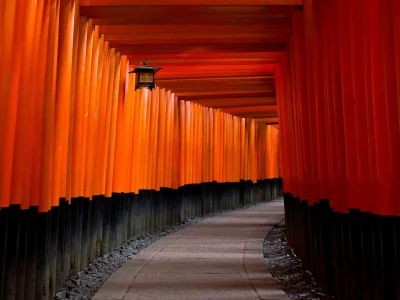
Adventure in Japan is a bespoke 14-day journey through Tokyo, Mount Fuji, Nagasaki, Kyoto and Osaka. Follow the historic Yoshida Trail, spend a night on Mount Fuji and aim to reach its summit at sunrise. Discover ancient shrines, rural Buddhist temples, vibrant cities and Japan’s fascinating cultural traditions.
Classic India and Nepal
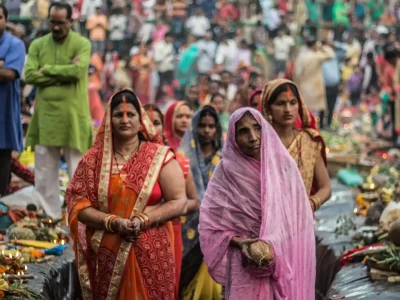
Classic India and Nepal: a journey through northern India and Nepal combining Delhi, Rajasthan, Varanasi and the Ganges in a complete cultural itinerary.
Imperial Cities-I from Asturias
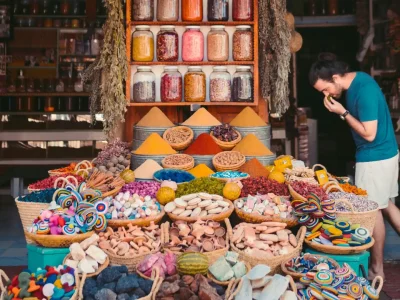
Imperial Cities tour of Morocco from Asturias, featuring Marrakech, Rabat, Casablanca and Fez, in a well-balanced and culturally rich journey.
For more information, contact me:
Don’t forget to mention the name of the tour and the date or dates that you are interested in.